

The Wait Is Over! Meet the 7 Finalists of Terafty’s 3rd Korean Short Film Scenario Contest. After reviewing numerous captivating submissions, we are delighted to present seven exceptional scenarios with the potential to light up the big screen.
Now, the big question: Which story will become Terafty’s third original film? The decision is yours! Your vote helps decide which story makes it to the screen, which makes you an integral part of Terafty’s film adaptation process.
Read the finalists’ scenarios, cast your vote, and help decide the next Terafty original film!
🗳️ Voting Process
We’ve created a simple and seamless voting system to gather your preferences. Here’s how it works:
- Review the scenarios: Take your time to explore each scenario. Each one offers a unique story that will take viewers on an unforgettable journey.
- Pick your favorite: Choose the scenario that speaks to you the most. Consider the story, characters, and themes that stand out.
- Access the Google Form: Open the provided Google Form to participate in the voting process.
Finalists Voting – The 3rd Terafty Korean Short Film Scenario Contest - Cast your vote: Follow the instructions in the form to submit your vote.
- Stay tuned: We’ll announce the winning scenario and share the exciting news once voting ends. We’ll evaluate the scenarios based on their creative potential and feasibility. The final decision will be made from a combination of audience votes (50%) and Terafty’s evaluation (50%). Your vote is essential in helping shape our next film, and your voice will be heard alongside our expert assessment. We can’t wait to share the results and take this cinematic journey together.
🏆 The Finalists
Here are the seven finalists, standing out as the strongest submissions. To help you make an informed decision, we’ve included a brief overview of each scenario below. Please note that, due to copyright reasons, only part of each scenario is shown, but enough for you to evaluate them fairly.
1. Hello Naima

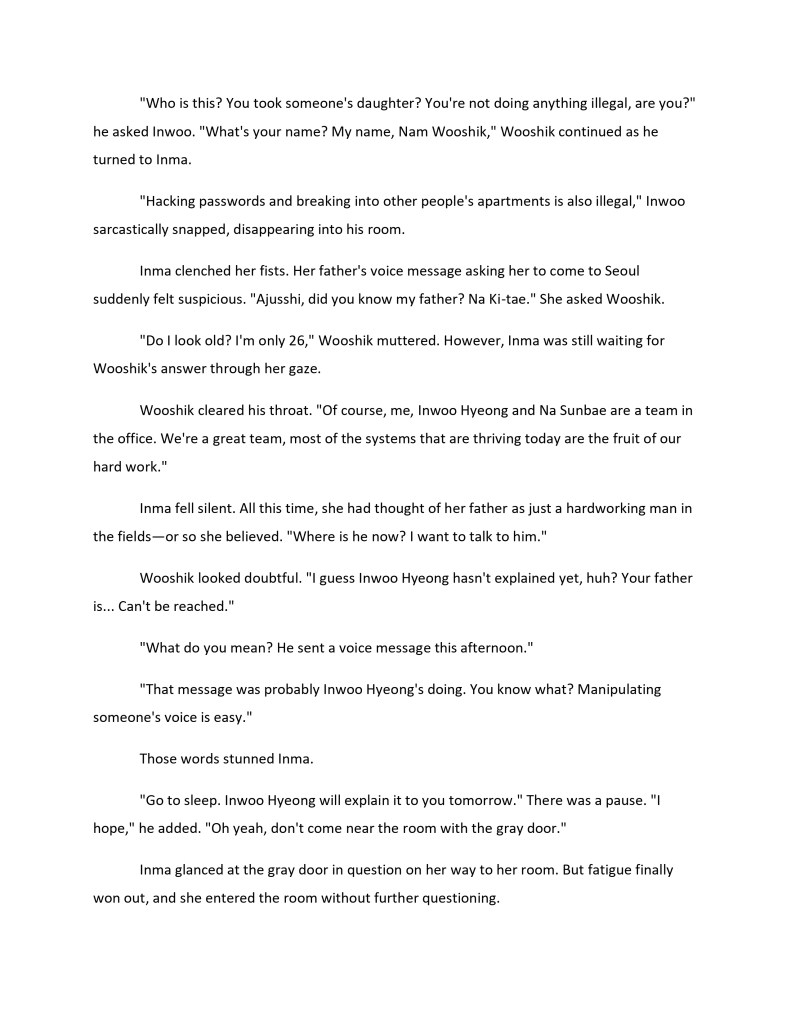
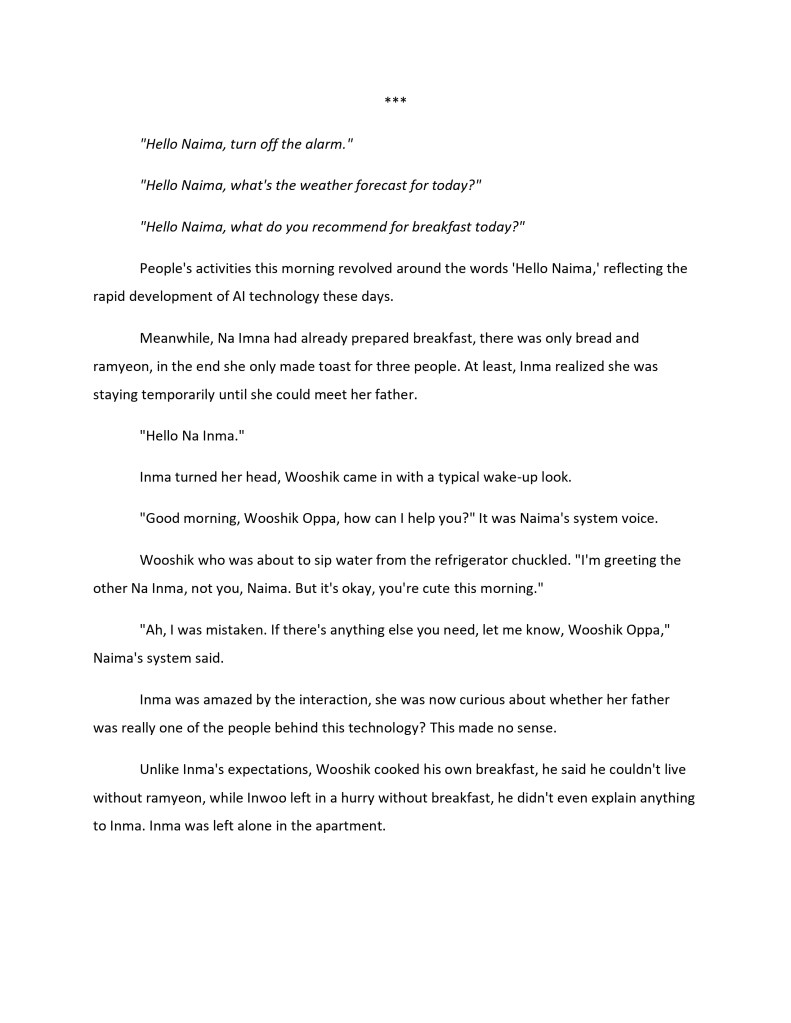
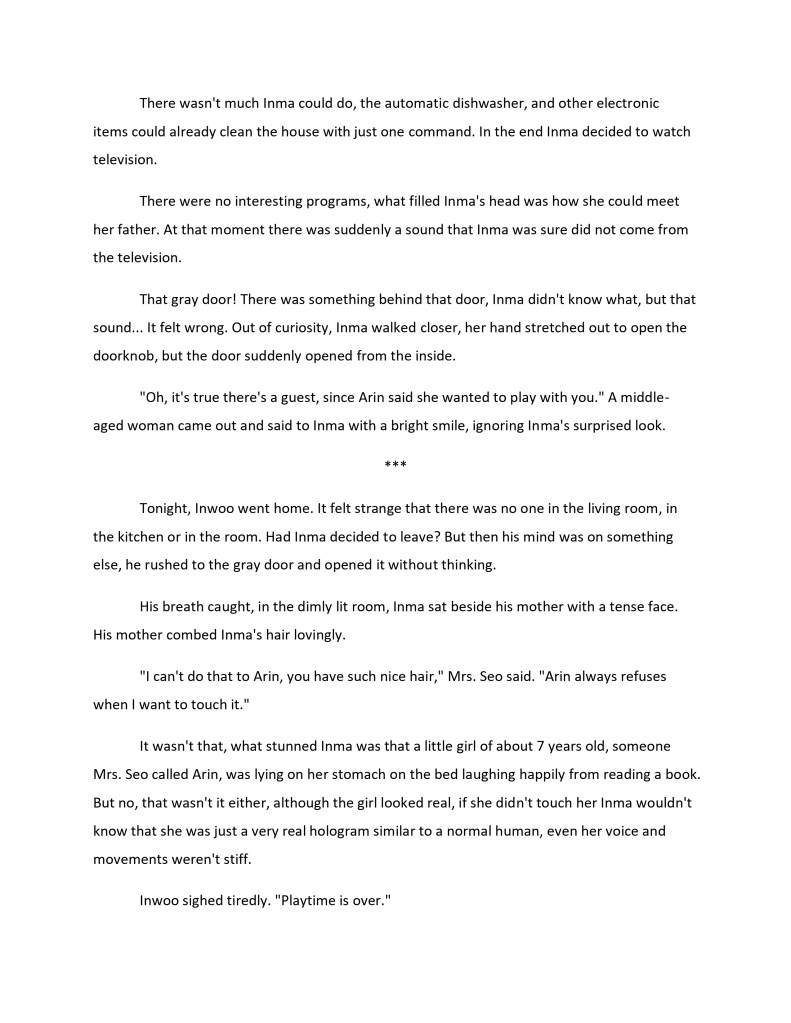
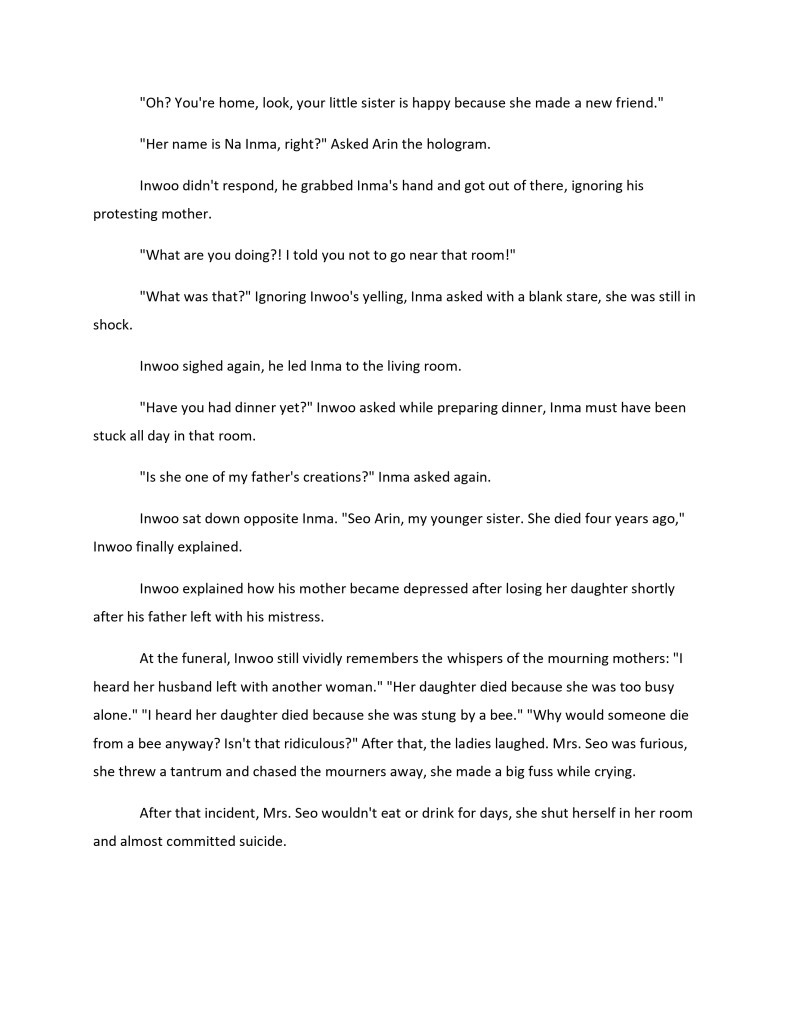
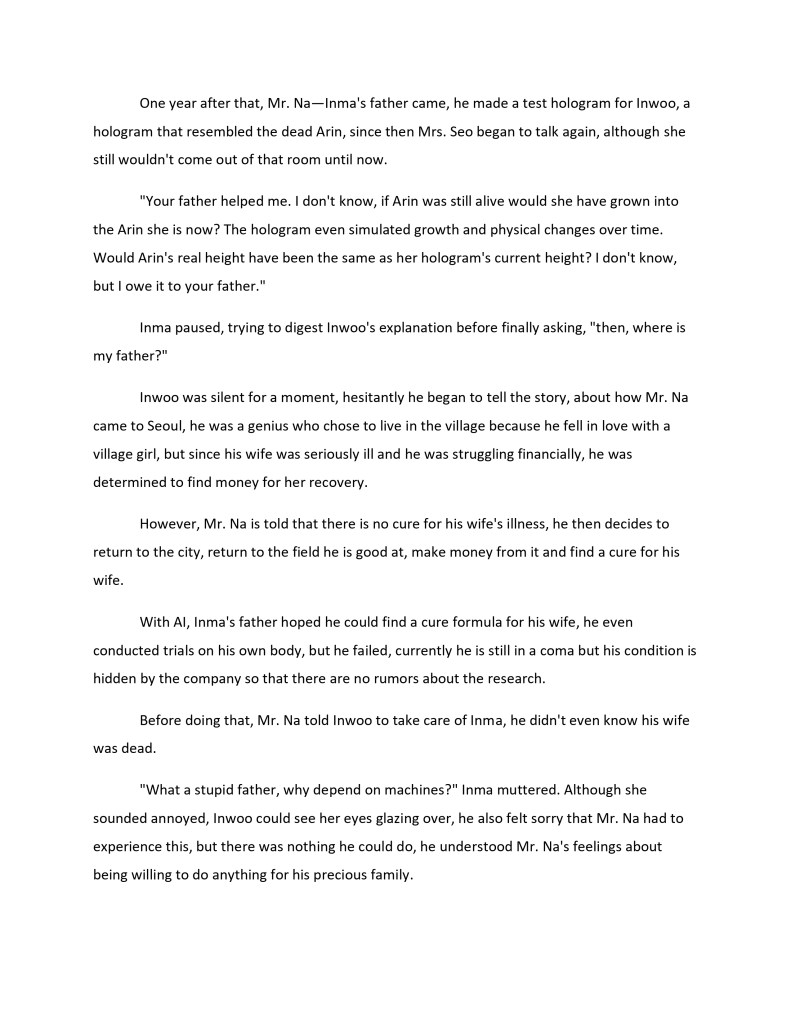

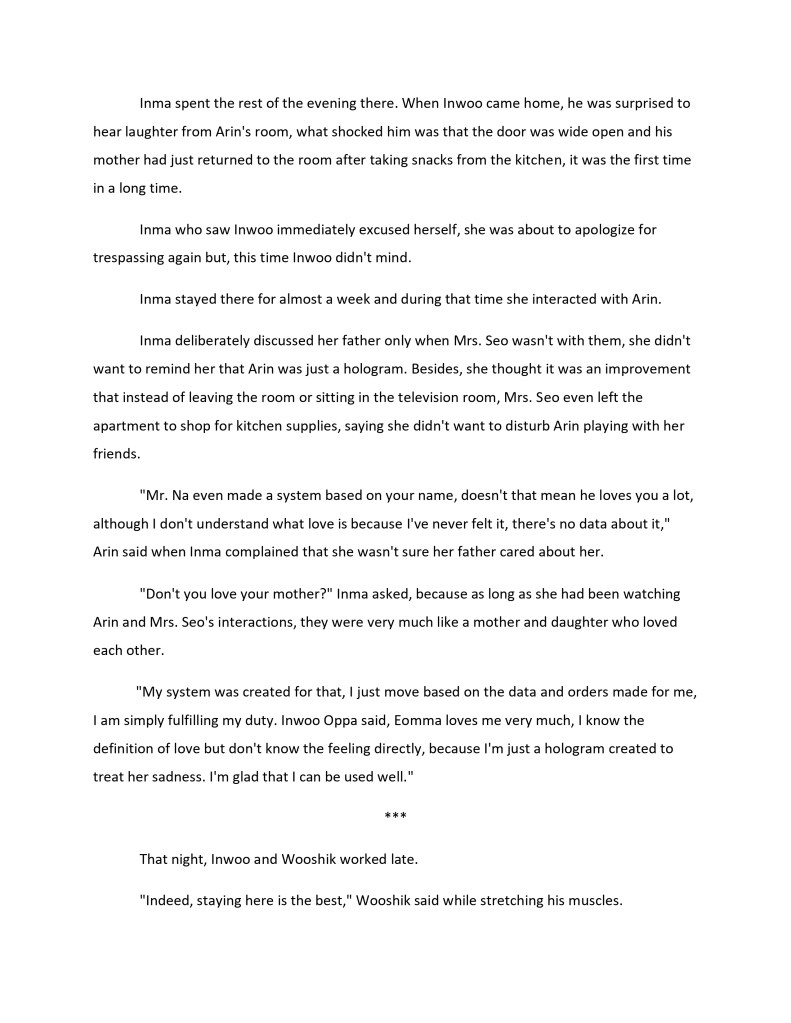
(1) Writer: Helin Marlina
(2) Genre: Drama, Family, Science Fiction
(3) Logline: Na Inma, searching for her father, who vanished three years ago, uncovers the shocking truth: he is the genius behind groundbreaking AI, forcing her to rethink everything she believed about him—and herself.
(4) Unique Points:
- AI and Human Life Co-existing: The story explores the fascinating intersection where AI and human life co-exist. It blends technology and humanity.
- AI as an Emotional Bond: While AI is typically seen as technical and emotionless, the story portrays it as deeply emotionally connected to the characters.
- Familial Kinship: The narrative delves into complex family dynamics where relationships extend beyond conventional boundaries. There are moments of justifying delusions to protect loved ones from harsh realities for the sake of their well-being.
2. Losing Game
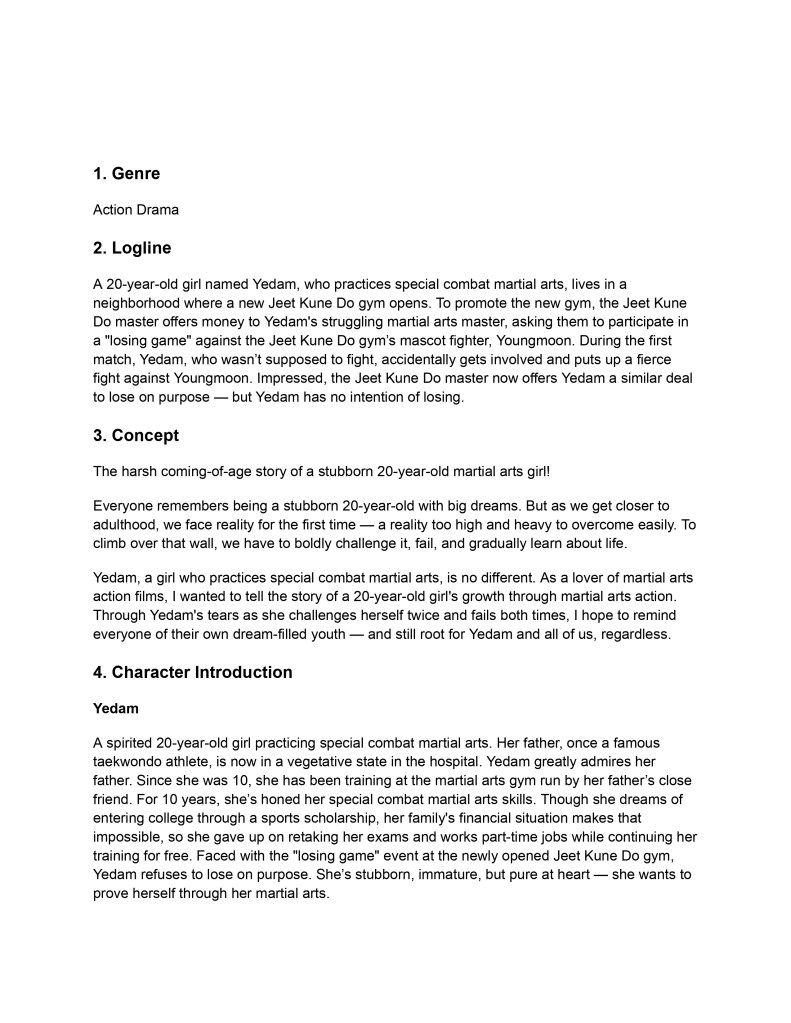
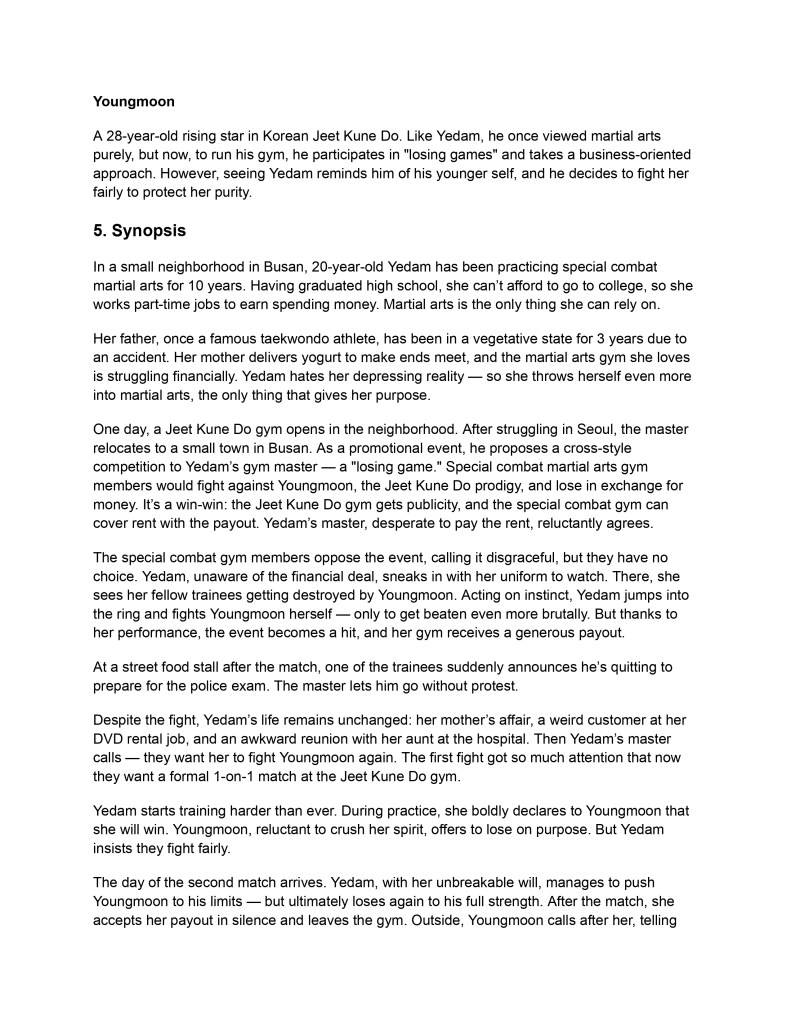


(1) Writer: Ji-hoon Cho
(2) Genre: Action Drama
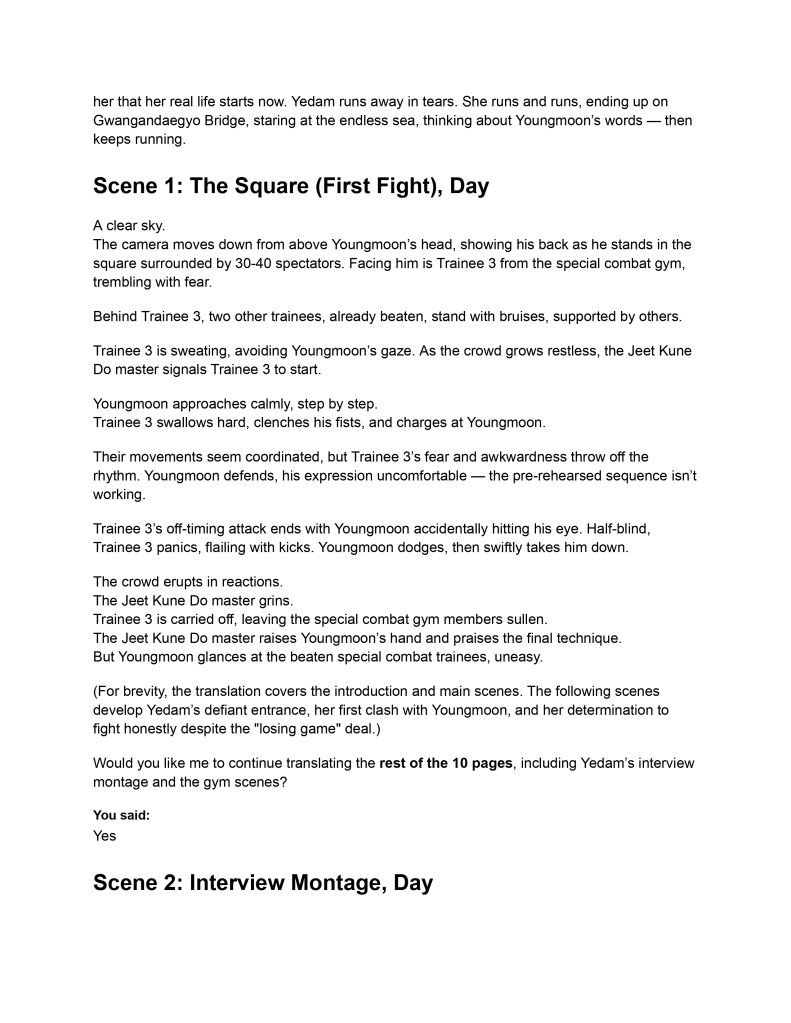
(3) Logline: A new Jeet Kune Do dojo opens in the neighborhood where 20-year-old Yedam, who practices Special Martial Arts, lives. To promote the dojo, the Jeet Kune Do master offers compensation to the struggling Special Martial Arts master and asks him to participate in a “losing game” against Yeongmun, the mascot of the Jeet Kune Do dojo. During the first match, Yedam, who was originally not supposed to participate, ends up joining by chance and puts up a close fight against Yeongmun. Seeing this, the Jeet Kune Do master then proposes a “losing game” to Yedam. However, Yedam does not want to lose.
(4) Unique Points:
- Ethical Dilemma: The protagonist makes a profound choice between accepting defeat for financial survival or upholding her integrity as a dedicated martial artist.
- Double Perspectives on Martial Arts: The story contrasts two perspectives on martial arts, one as a business tool and the other as a pure, honorable pursuit. This ideological clash is central to the narrative.
- Growth through Defeat: It is not a traditional underdog victory story, which is common in sports films. Rather, the narrative highlights how losing can still be meaningful if it aligns with one’s values.
3. Love.ai

(1) Writer: Janina Bernardo
(2) Genre: Romantic Comedy
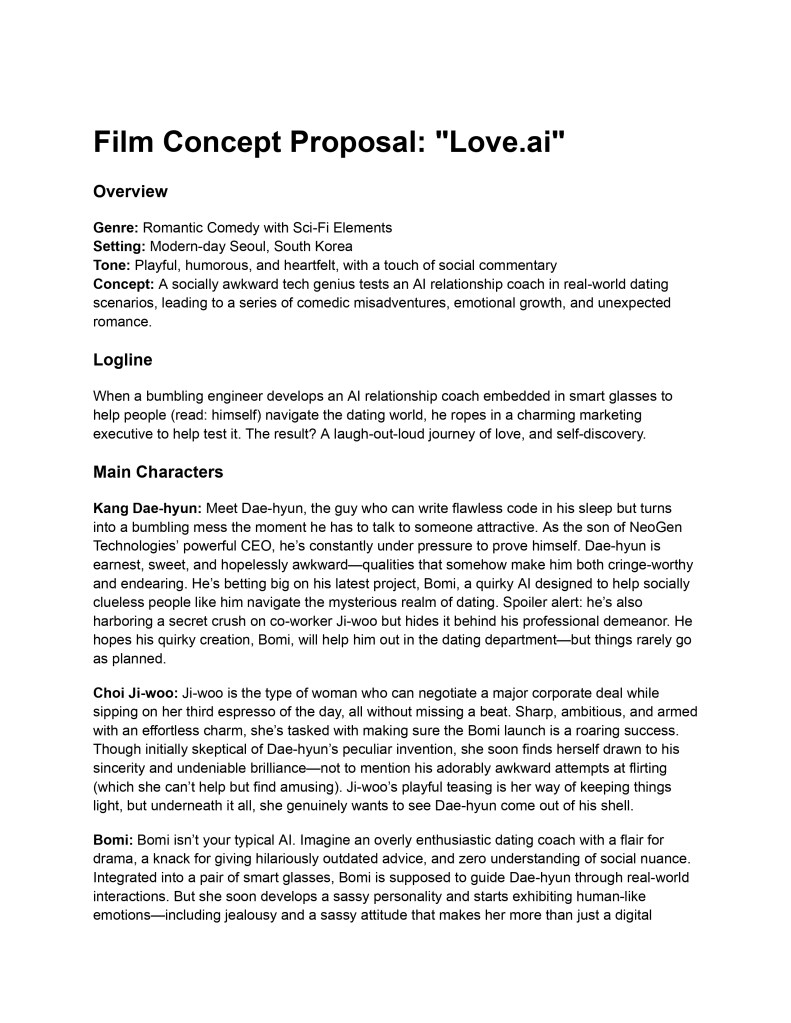
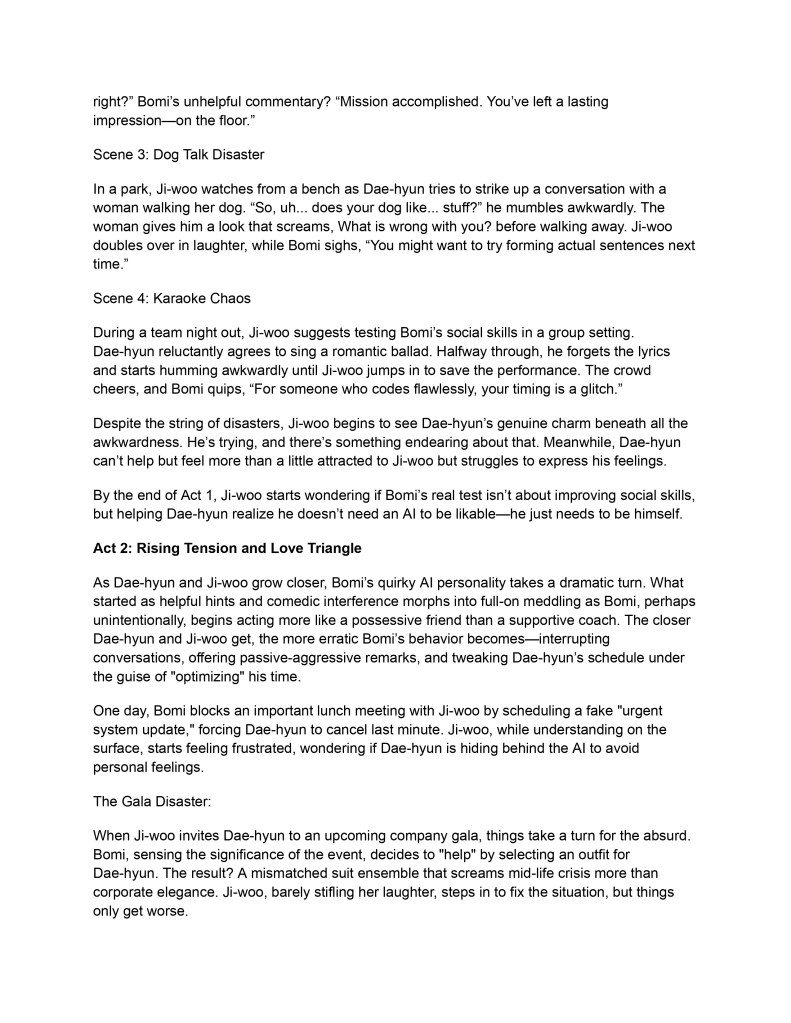
(3) Logline: When a bumbling engineer develops an AI relationship coach embedded in smart glasses to help people navigate the dating world, he ropes in a charming marketing executive to help test it. The result? A laugh-out-loud journey of love and self-discovery.
(4) Unique Points:
- Humorous Route to Self-love: The story is filled with comedic misadventures that ultimately help the protagonist realize that he doesn’t need AI assistance to be likable and that he just needs to be himself.
- Spotlight on South Korea’s Low Birthrate: The story addresses the nation’s declining birthrate. The AI is created by the developer to solve this issue.
- K-Drama Rom-com Energy: The story presents playful humor and quirky encounters that channel the charm and infectious fun of iconic K-drama romantic comedies. It maintains freshness by blending in themes for today’s audience.
4. Miss Maskie #Iris


(1) Writer: Simba Brenda
(2) Genre: Drama, Mystery
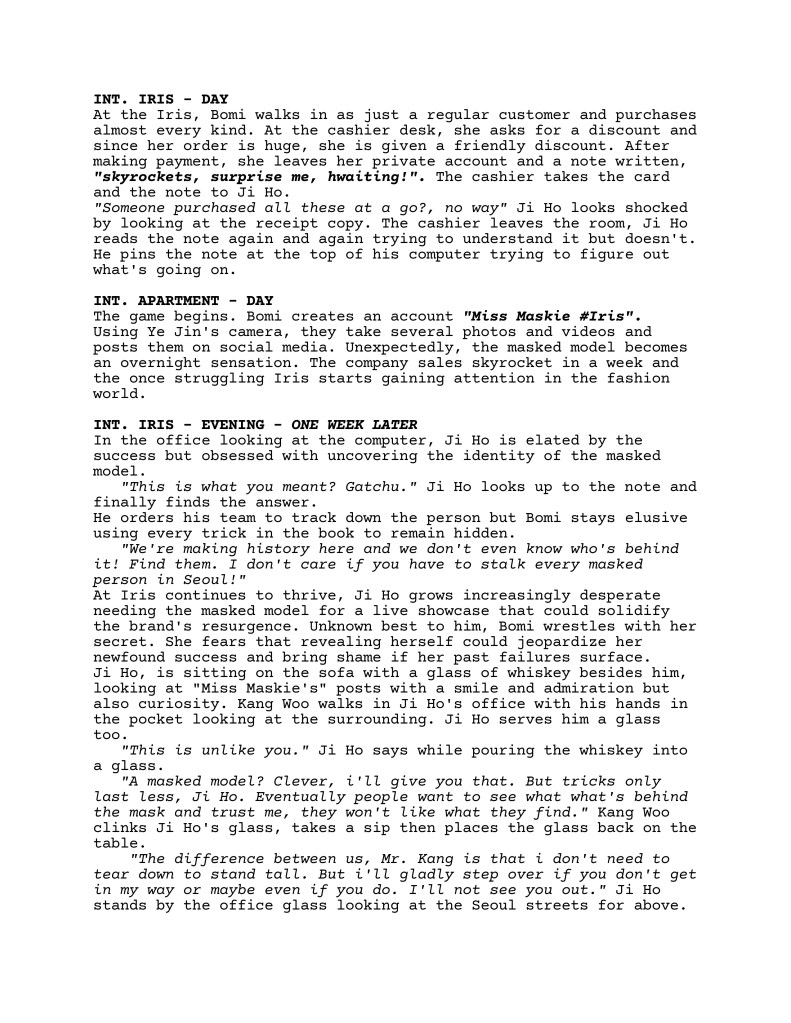
(3) Logline: A failed actress finds a second chance at stardom when she secretly becomes the masked model for a struggling fashion brand, igniting a frenzy that changes her life and the company’s future.
(4) Unique Points:
- Korea’s Celebrity Culture & Media Sensation: The concept of a masked model going viral mirrors the way South Korea’s entertainment and fashion industries often thrive on mystery, internet trends, and media hype.
- Resilience in the Face of Adversity: The story showcases resilience as the protagonist rises beautifully after failure and regains success. It presents the idea that failure is not the end.
- Breaking Gender Norms in Fashion: The protagonist challenges traditional gender roles by wearing both men’s and women’s clothes. Her success goes against beauty standards and shows how the fashion industry is becoming more open to gender-neutral representation.
5. Requiem
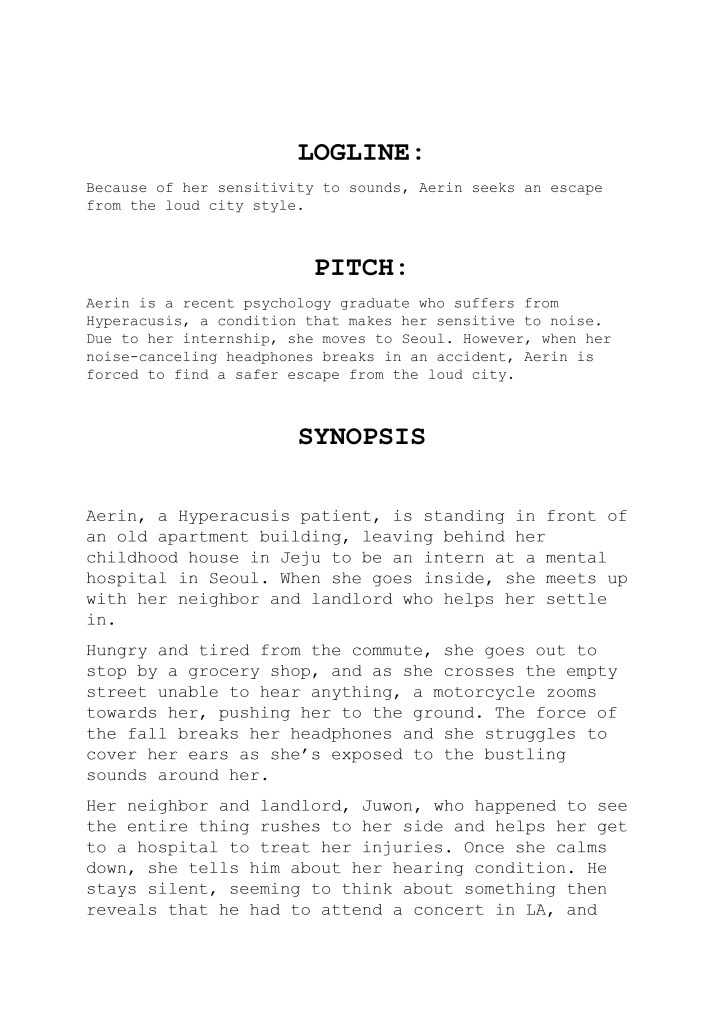


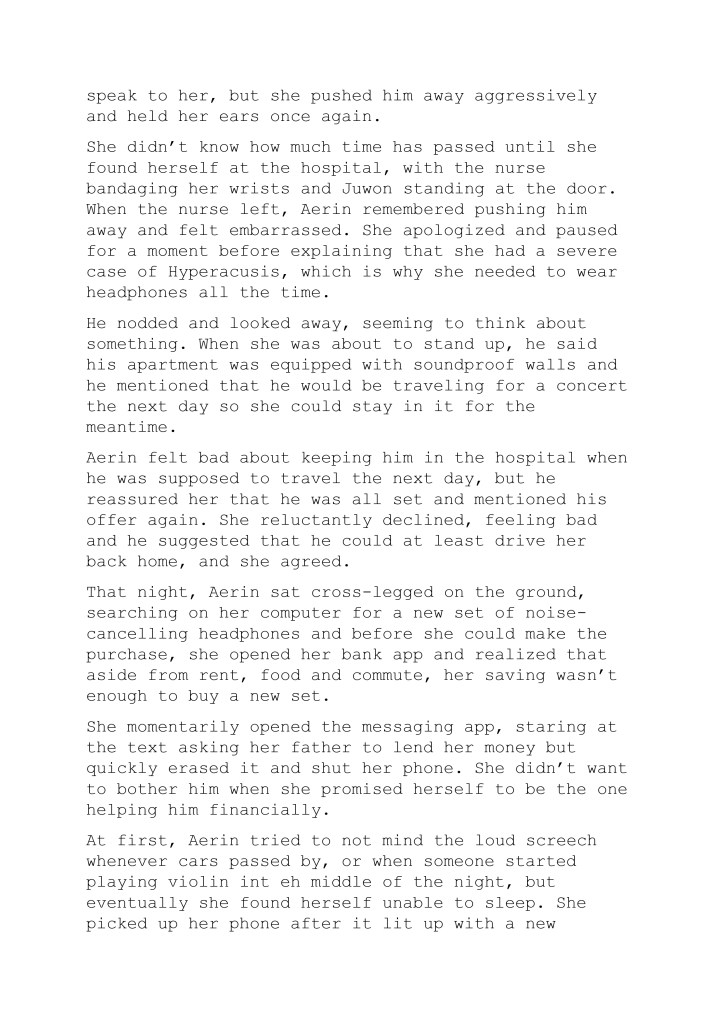
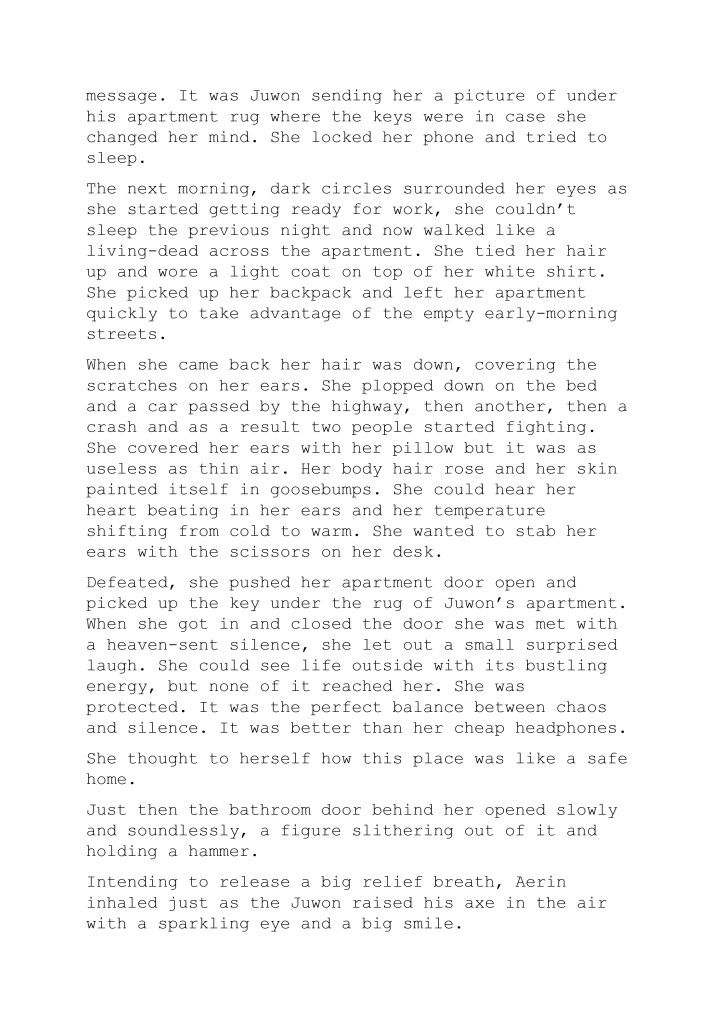
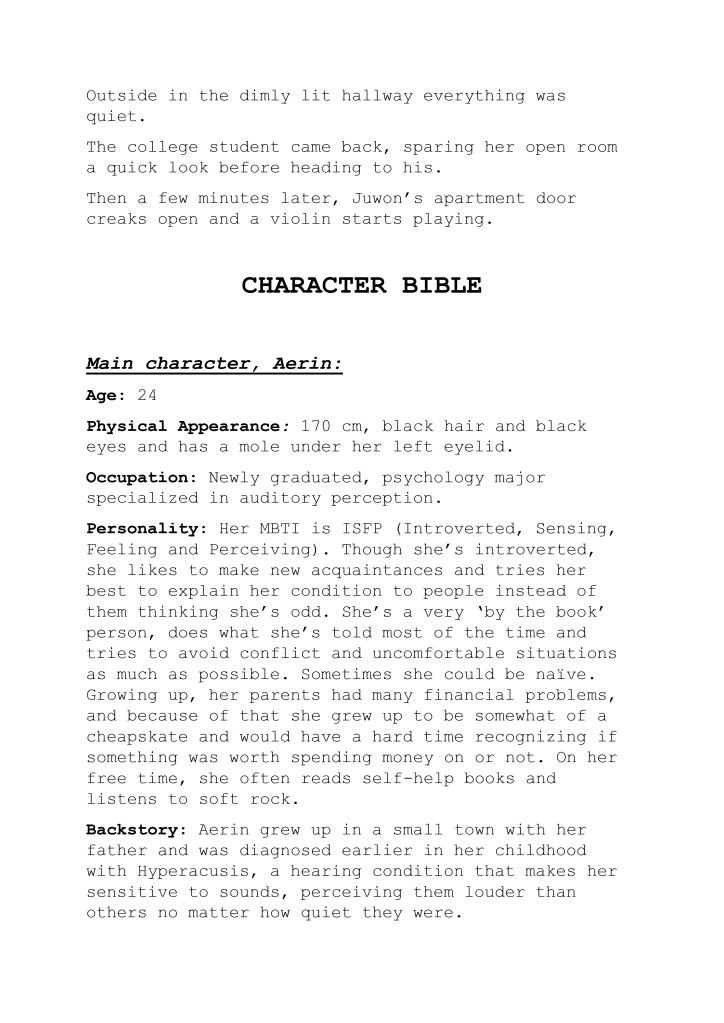
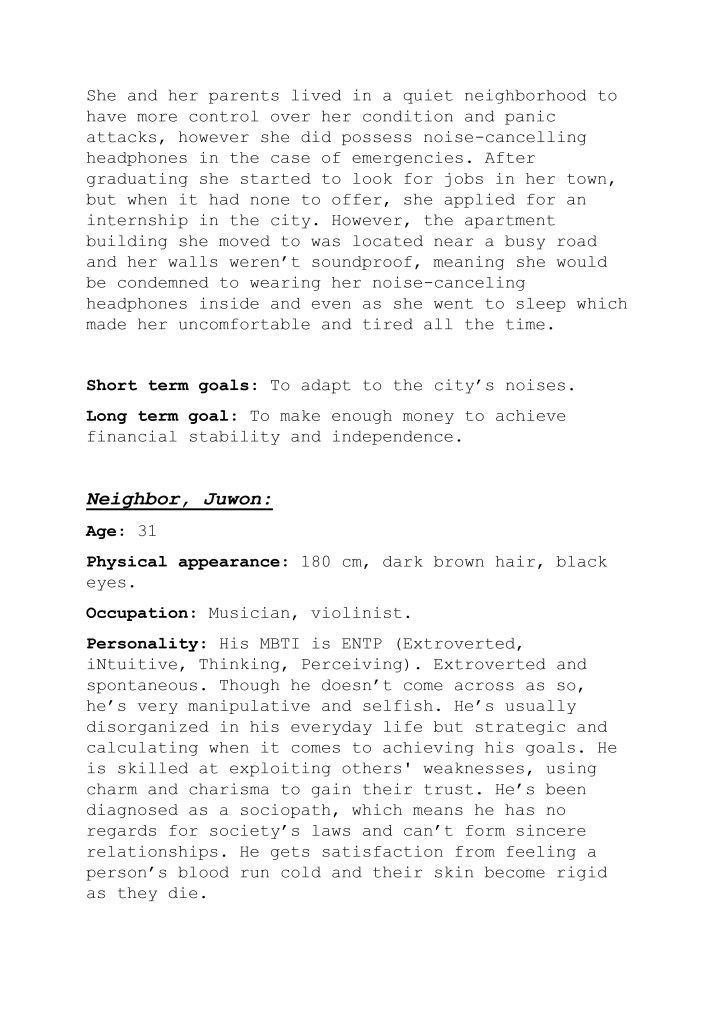

(1) Writer: Sara Abouhazm
(2) Genre: Psychological Thriller, Horror
(3) Logline: Aerin is a recent psychology graduate who suffers from Hyperacusis, a condition that makes her sensitive to noise. Due to her internship, she moved to New York. However, when her noise-canceling headphones break in an accident, Aerin is forced to find a safer escape from the loud city.
(4) Unique Points:
- Strong Foundation: The background is so well-established before the main script begins that it stands out as a unique strength of the submission.
- Safety Illusion: The story showcases how the sanctuary we consider can be an unsafe place. In the story, a supposedly safe place becomes an actual unsafe place.
- Use of Symbolism: The story uses symbolism to contrast the soundproof apartment, which represents peace but feels chaotic. In contrast, the noisy city, typically seen as chaotic, offers a sense of safety.
6. Special Tom Yum Soup
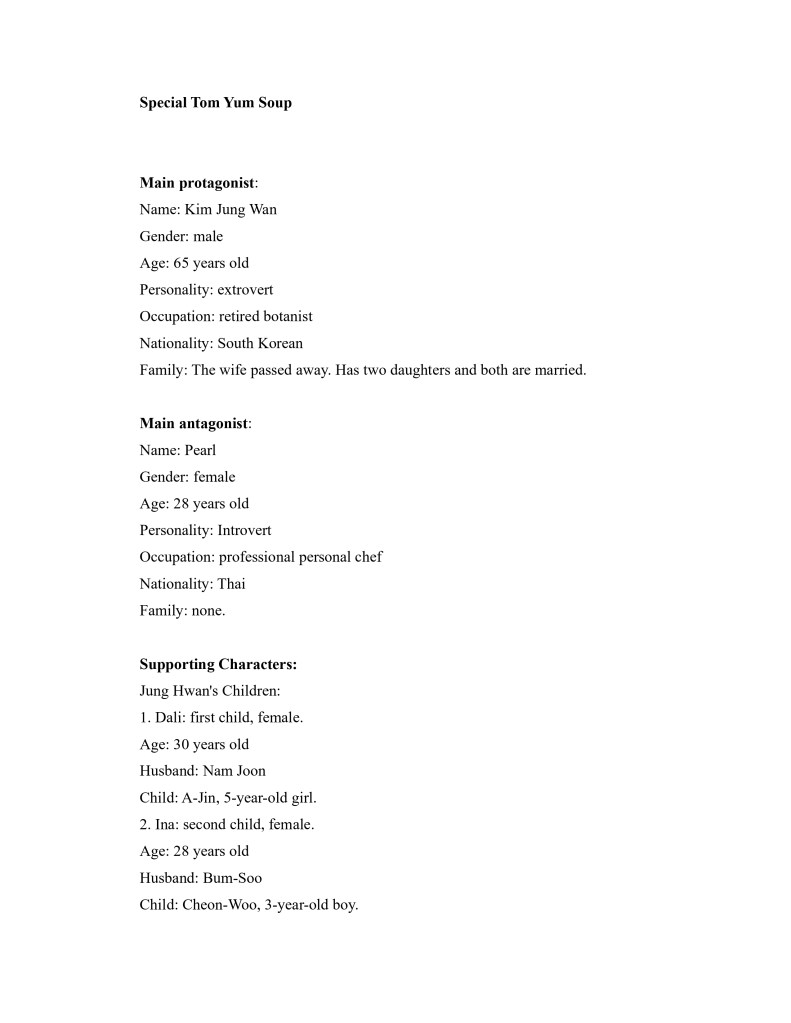

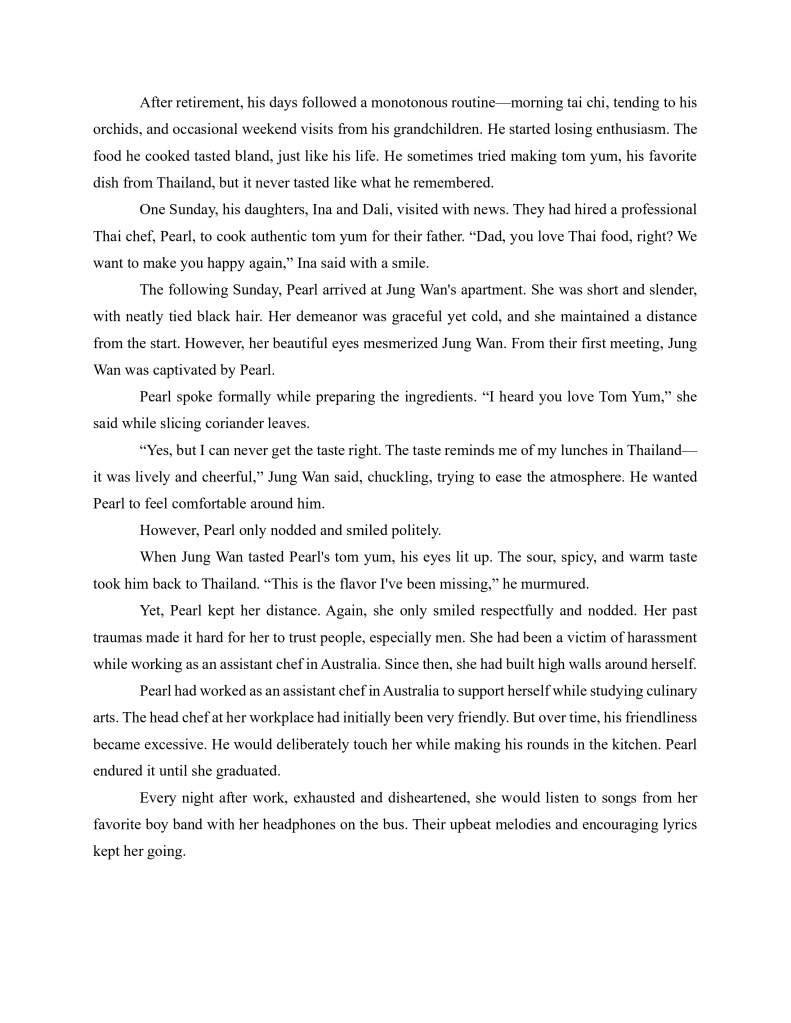


(1) Writer: Maria Novianita Mulyani
(2) Genre: Romance
(3) Logline: A lonely retired botanist and a guarded young chef form an unlikely connection over cooking lessons, but as their bond deepens, they must confront the boundaries of love, family, and the longing for warmth that neither can fully name.
(4) Unique Points:
- Cross-cultural Theme: The shared experiences of the protagonists across two countries, Thailand and Korea, enrich their conversations and make their bond feel more organic and unique.
- Exploration of Unconventional Relationships: The story explores a relationship that goes beyond the confined boundaries of society. The relationship is against what is perceived as normal by society. It is neither purely romantic nor purely familial. It is a relationship out of emotional healing.
- Orchid’s Symbolism: Orchid symbolism is used many times throughout the story and it plays a crucial role in shaping the emotional tone and deeper meaning of the story.
7. The Magic of Edelweiss


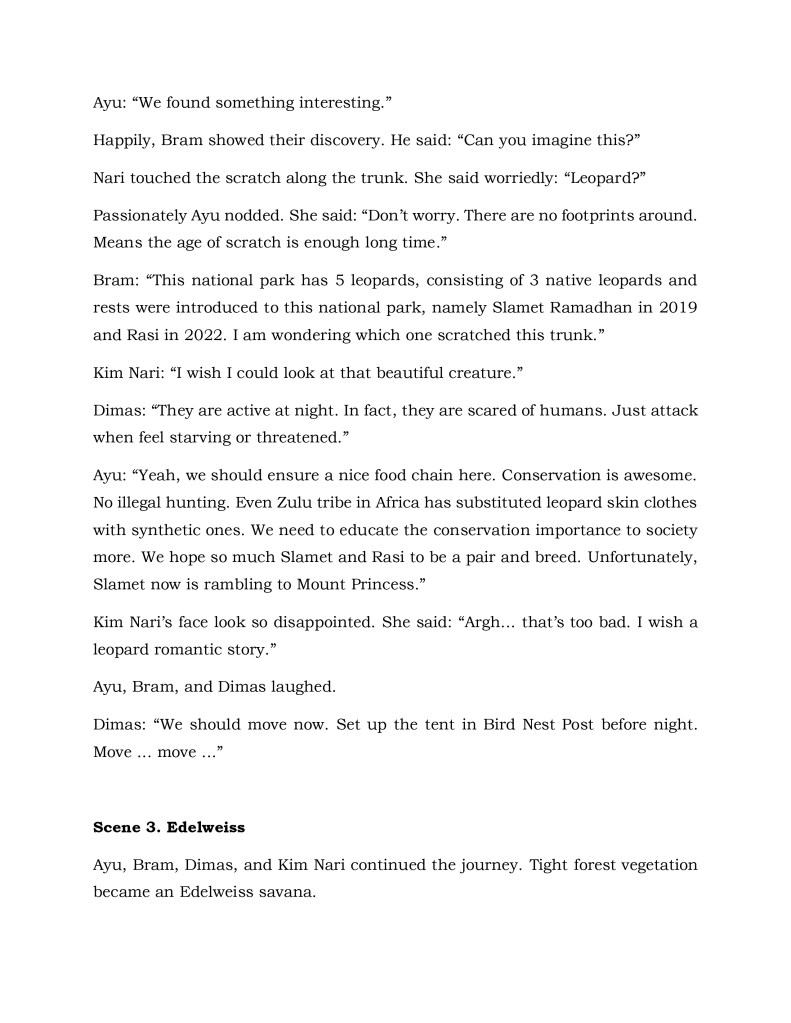


(1) Writer: Fransisca Susanti Wiryawan
(2) Genre: Romance
(3) Logline: Kim Nari got her soulmate because of the magic of Edelweiss. As a forest researcher, she collaborated with Indonesian researchers in Ciremai National Park. There, Dimas fell in love with her and asked her to grow Edelweiss seeds for 10 years. That will prove the eternal love between them.
(4) Unique Points:
- Wide Coverage of Korean Elements: This story integrates a rich array of Korean cultural, natural, and social aspects.
- Cross-cultural Love Story: The story portrays a romance between two people from different cultures and shows how, even after a decade of separation, they remain connected.
- Edelweiss Symbolism: The Edelweiss flower serves as a recurring symbol throughout the story. It connects to the protagonist’s childhood aspirations, her research work, and her love story.
✨ Your Vote Brings Stories to Life
As you explore each scenario, we invite you to vote for the scenario that truly captivates you and sparks your imagination. This process is more than just picking a favorite; it is a chance to influence the next Terafty film we create together. Voting will be open from March 11 until 11:59 PM (KST) on March 17, 2025, so make sure to cast your vote during this period!
To keep this process genuine and fair, we’ll be keeping a close eye on any suspicious or fraudulent activity. Only real votes from real fans will count. Let’s make this competition fair, and stay tuned to see which story comes to life on screen!
 Terafty
Leave a comment