
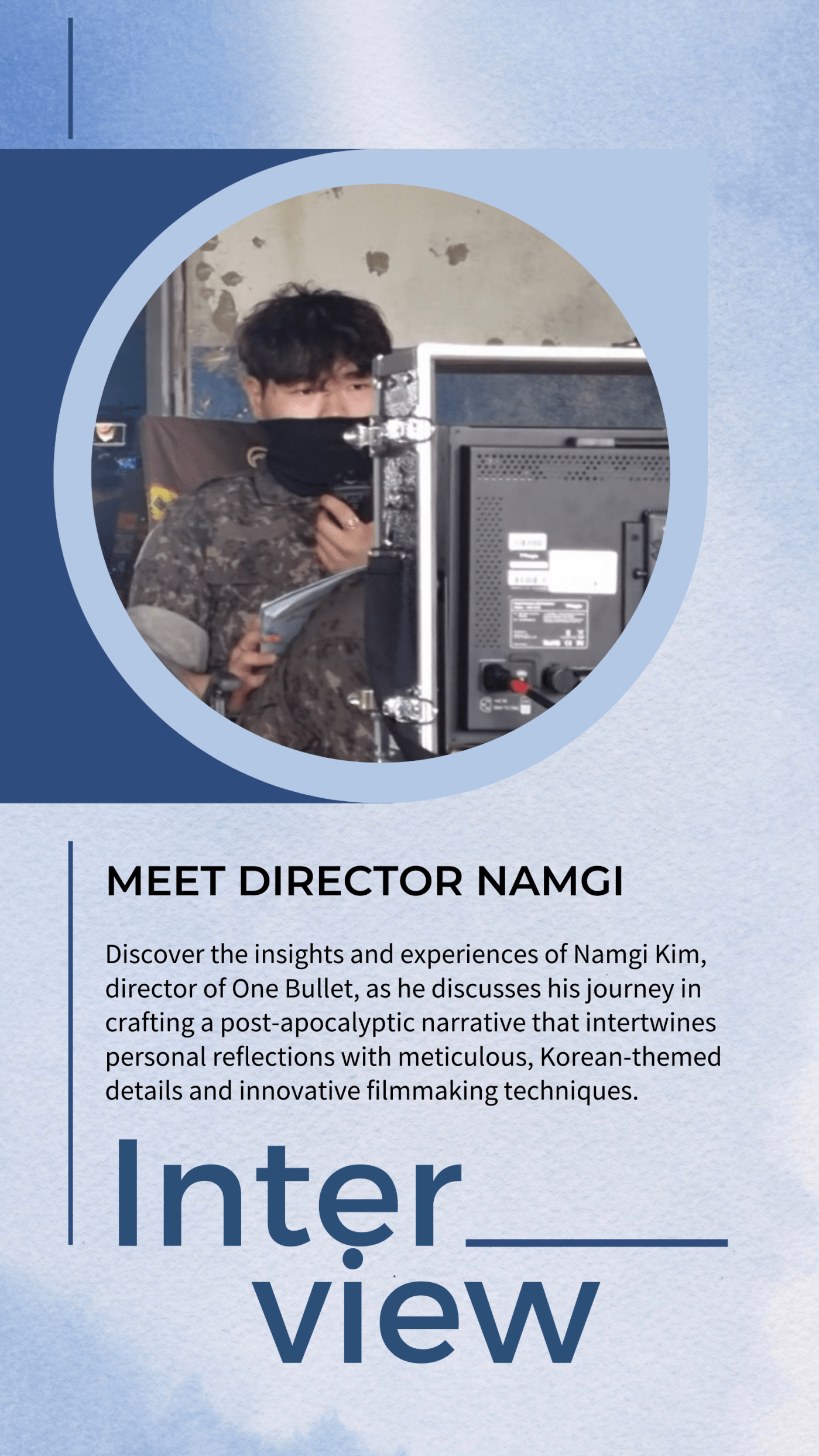
In One Bullet, Namgi Kim constructs a gripping post-apocalyptic world where every choice carries immense weight. Drawing from personal reflections and inspired by the nuances of Korean culture, the film delves into the emotional and moral struggles of survival, trust, and sacrifice. With meticulous attention to detail—from set design to the symbolic use of weapons that represent life-altering decisions—the filmmaker crafts a tense narrative that compels viewers to reflect on the gravity of their own choices in moments of desperation and uncertainty.
Why did you choose a post-apocalyptic setting for the film?
My team members once suggested creating a film set in a post-apocalyptic world. I noticed that neither I nor any other team members had explored this theme in our previous works. Feeling drawn to the idea, I started developing the script that very day, and that’s how One Bullet came to be.
What directing elements did you focus on when portraying the relationship between Eunseo and Jaehyun?
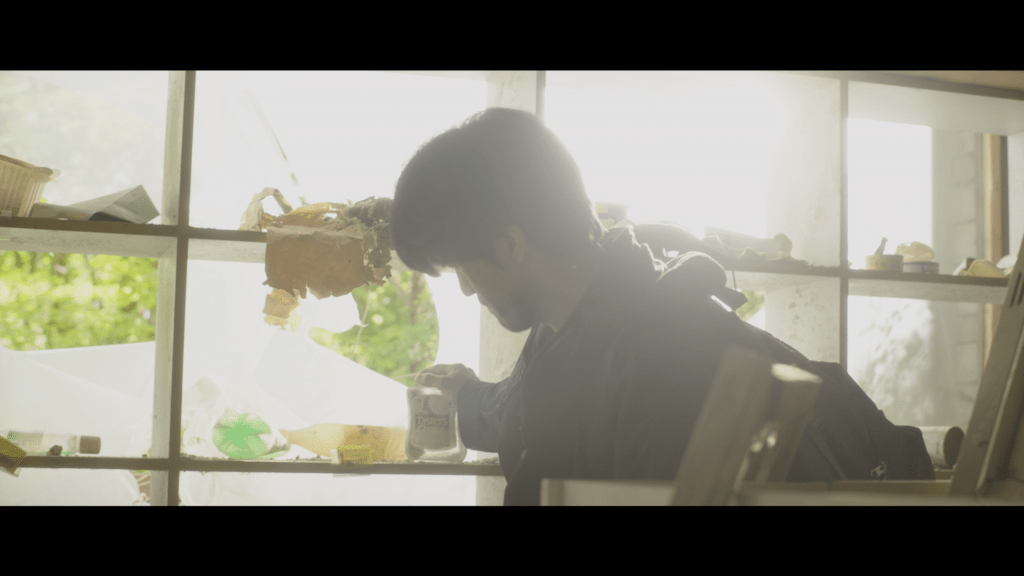
To seamlessly blend the issues faced in modern Korean society with a post-apocalyptic backdrop, I paid special attention to incorporating distinctly Korean elements in every detail, from food and clothing to locations. Even small things like a cigarette sign that appears for just a second at the start of the supermarket scene were planned to give an authentic Korean feel.
Additionally, I prioritized the theme of ‘choice’ from the early stages of planning One Bullet. To heighten the tension between survival and suspicion in the apocalyptic setting, I chose a gun as a key object instead of melee weapons. This emphasized the gravity of choices, where a split-second decision could cost a life. For scenes focused solely on survival, such as confrontations between Jae-hyun and the raiders, I opted for hand-to-hand combat to convey the raw intensity.
What were the biggest challenges of directing a post-apocalyptic film on a relatively low budget?
Our location was an abandoned health center with no electricity, so we had to source power from a distance to avoid interfering with sound recording, which was quite difficult. The path to the location was uneven, and the building itself was full of hazards like cliffs, flooded areas, and confined spaces. The air was also thick with dust, which made it difficult for the cast and crew to breathe, which was a significant challenge throughout filming.
What do you think is the most important scene in the film?
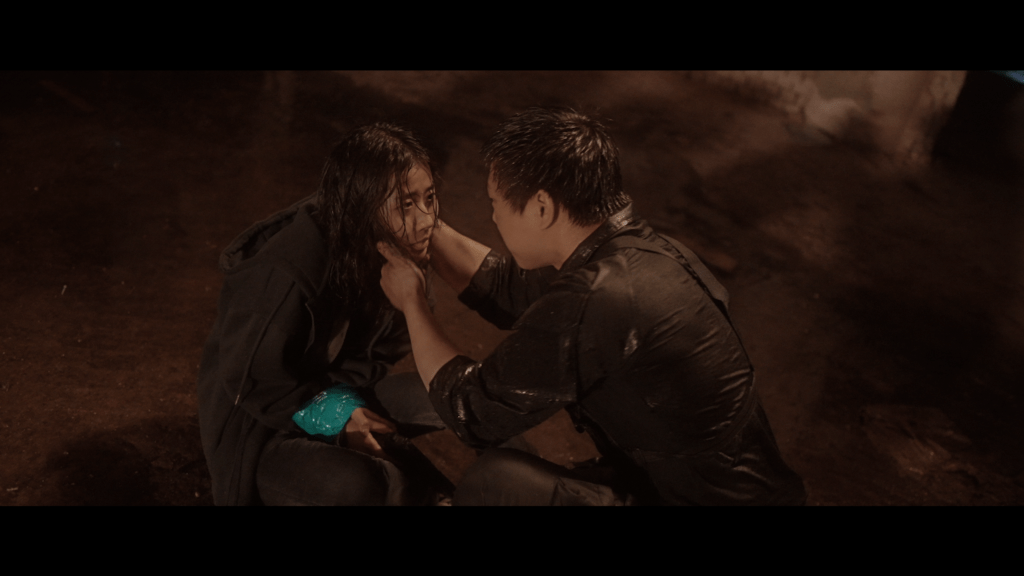
Personally, I think the intro scene, ‘Camorra,’ which shows Eunseo’s encounter with the raider, is the most crucial. Since it sets the tone for the entire film, it needed to leave a strong impact on the audience. I paid extra attention to the actors’ performances, the dialogue, sound design, and color grading. Although we considered stopping the shoot when it started raining unexpectedly, we decided to keep filming through the night, and the rain ended up adding to the scene’s atmosphere.
Do you have any memorable episodes from the set?
On this project, I never gave the OK on the first take—I wanted to have as many options as possible in the editing room. There was this action scene where the actor playing Jaehyun smashed a sugar glass bottle over the raider’s head. Even though the first take turned out great, I decided to go through all the sugar glass bottles we had, pushing for six takes. By the end, the last bottle ended up smashed over my head by the raider actor, and we all wrapped on a high note, laughing.
What message do you want to convey to the audience through this film?
I wanted to emphasize the significance and weight of the keyword ‘choice’ to viewers in Korea and around the world. I believe choices have the incredible power to shape not only our own fate but also the destinies of those around us. I hope everyone who watches the film will recognize that choices should never be taken lightly. Ideally, people will make decisions that bring joy and celebration, rather than criticism and regret.
What kind of films do you want to make in the future?
If I have the chance to direct another film, I’d like to create a personal chronicle of my life. Although my past isn’t particularly glamorous or happy, I’d aim to make a deeply detailed and unembellished film that resonates with universal emotions—sadness, joy, sorrow, and anger—so that viewers can connect and feel moved by the raw, relatable experiences.
 Terafty
Leave a comment