
Written by Ambassador John Axel Orencia
All photos owned by John Axel Orencia
In a stunning display of cultural prowess, the Korean wave, frequently dubbed Hallyu, has captivated audiences worldwide with its fascinating style. The Philippines, like many other countries, has been profoundly influenced by this cultural phenomenon that has grabbed the hearts of millions. Korean culture has had an undeniable impact on Filipino society, particularly in the areas of music, drama, language, literature, art, food, and other cultural aspects.
Korean Pop Music

K-pop has taken the Filipino people by storm over the course of the last decade. Filipino musical tastes have changed dramatically as a result of the K-pop genre’s captivating beats and mesmerizing melodies. The enchanting world of Korean Pop Music has left a lasting impression on the hearts and ears of music lovers in the Philippines. From the young to the young-at-heart, this captivating genre has left an indelible mark on the music landscape, transforming not only the way Filipinos groove to the beat but also the way they express themselves through fashion, as they imitate their favorite idols’ fashion choices by sporting identical clothing or hairstyles. Kpop’s undeniable influence has successfully united Filipino fans, fostering a sense of camaraderie through dedicated fan groups and energizing concerts. In a heartwarming display of fandom unity, these events provide the perfect platform for K-pop enthusiasts to forge unbreakable bonds.
Korean Language

Filipinos have shown a growing interest in learning Korean in recent years. Many Filipinos are inspired to study Korean as a result of exposure to Korean music and television dramas. In addition, South Korea has quickly become one of the most popular places for Filipinos to find work outside of the country. However, in order to take advantage of these employment possibilities, fluency in the Korean language is frequently essential. Due to these factors, there has been an increase in the number of Korean language classes and online tutorials to meet this demand.
Korean Dramas/Films
Since the early 2000s, Filipinos have loved Korean Films/Dramas, and their love has only grown. What used to be a niche hobby is now popular with most people. People in the Philippines like Korean shows because they can relate to them. Most of the time, these dramas are about common things like love, family, friendship, and growing up. The high production values and quality of Korean dramas make them even more famous. Every piece is carefully made to be as immersive as possible, from the interesting stories to the great actors. Korean shows have also been remade and dubbed in Filipino so that local fans can watch them more easily. This makes it possible for Filipinos to really get into these stories.
Korean Foods

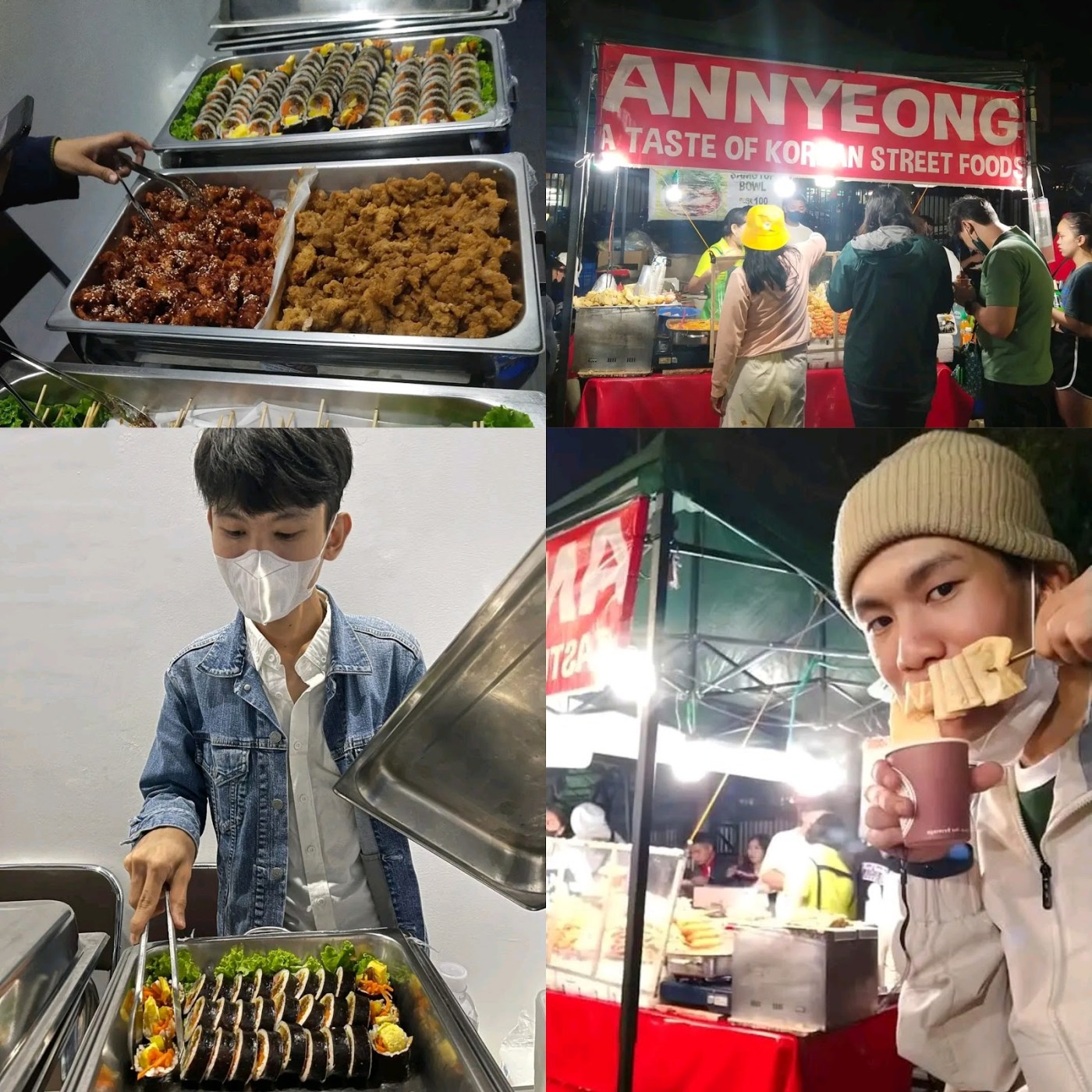
Over the past few years, Korean food has been increasingly popular in the Philippines, creating a trend that is followed by Filipinos of all ages. Samgyupsal is one component in particular of Korean cuisine that has skyrocketed to unprecedented levels of popularity in the Philippines. Samgyupsal is a type of grilled pig belly that is traditionally served wrapped in lettuce leaves along with a variety of different side dishes. It is a clear indication that there is a growing demand for samgyupsal among Filipinos, many of whom are interested in having an authentic Korean eating experience, given the proliferation of samgyupsal establishments in the country’s major cities. In addition to Samgyupsal, other Korean dishes that have gained popularity as a result of Kdramas include Kimchi, Kimbap, Bibimbap, Corndog, Tteokbokki, and Eomuk/Odeng.
Korean Literature

In the present day, Korean literature has gained significant prominence in the Philippines due to its compelling narrative strategies, the impact of cross-cultural exchanges on Filipino writers, and the growing scholarly focus on this literary tradition inside educational institutions. In addition, the literary works of popular Korean authors have become more available to a larger audience in the Philippines as a result of translation and publication of those authors’ works in literary works collections and novels. The richness of this Korean literary tradition is being discovered and appreciated by an increasing number of Filipinos, which is contributing to the rise of its popularity.
Korean Contemporary and Traditional Arts

Arts-related cultural contact between Korea and the Philippines has flourished in recent years. Through a series of workshops and collaborative projects led by cultural institutions and universities, contemporary and traditional Korean arts have gained recognition in the Philippines. Filipinos have been introduced to the art of traditional Korean painting, such as Minhwa. These workshops not only promote intercultural understanding between these two nations but they also provide participants with useful information regarding the historical development of Korean art. Through the sharing of ideas, artists are able to expand their horizons and explore new avenues of expression.
Other Aspects of Korean Culture

The rising popularity of traditional Korean practices and goods within the Filipino community demonstrates Filipinos’ strong affinity for Korean culture. Many Filipinos are adopting various aspects of traditional Korean culture, including wearing Hanbok, the traditional clothing of the Korean people. Additionally, some Filipinos have acquired cultural items such as Dojang (stamp), Norigae, and Najeonchilgi. Filipino enthusiasts of Korean culture enjoy capturing photographs of themselves donning Hanbok attire in cultural photo booths, typically found at K-Festivals or gatherings centered around Philippine-Korean events. The vibrant colors and intricate designs of this attire have captivated many Filipinos due to their aesthetic appeal and distinctiveness. The increasing adoption of Hanbok fashion and the acquisition of cultural artifacts from Korea by individuals in the Philippines reflects a growing recognition and appreciation for diversity and cross-cultural interaction within Filipino society.
The undeniable influence of Korean culture on the Philippines takes center stage. Koreans’ creative expressions, ranging from music to dramas, language to literature, arts to foods, have undeniably captivated the hearts and minds of Filipinos. The profound impact of the Korean wave on Filipino society becomes strikingly apparent. As the cultural exchange between these two nations thrives, the indelible mark left by this phenomenon is impossible to ignore.
 Terafty
Leave a comment