

Korean cinema has been making waves in the international film scene for years. While Bong Joon-ho and Park Chan-wook are undoubtedly two of the most well-known Korean film directors, there are many other talented filmmakers who are worth exploring. In this post, we’ll introduce you to 5 hidden gems – directors who may not have the same level of name recognition, but who have nevertheless made significant contributions to the world of Korean cinema. From poetic dramas to action-packed thrillers, these directors represent the rich diversity of Korean film and offer a glimpse into the many unique voices that make up this vibrant industry.
1. Lee Chang-dong
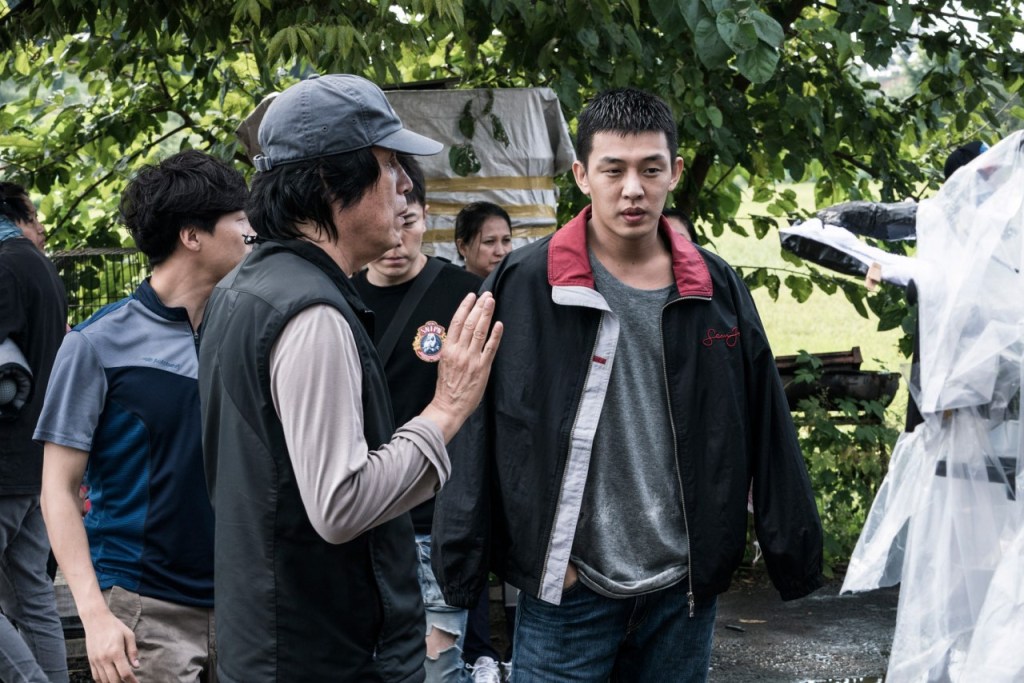
Lee Chang-dong is a celebrated Korean film director with a career spanning over two decades. Known for his thought-provoking and emotionally engaging films, Lee has examined complex human emotions and social issues with sensitivity and depth.
The director’s filmography includes several critically acclaimed works such as Peppermint Candy, Oasis, Secret Sunshine, and Burning. His films often deal with themes of love, acceptance, social stigma, and personal and spiritual crises. For instance, Oasis tells the story of the unconventional romance between a man with a mild mental disability and a woman with cerebral palsy, while Secret Sunshine follows a woman facing personal and spiritual crises after moving to a small town. Lee’s film style is characterized by long takes, nuanced characters, and poetic and atmospheric storytelling, creating films that are both deeply personal and universally resonant.
Burning, his most recent work, is a psychological thriller that inspects the themes of obsession and deception. The film was praised for its masterful direction, atmospheric tension, and strong performances. His films typically tackle complex issues and emotions, offering nuanced and empathetic portrayals of the human experience. Lee’s influence on Korean cinema is undeniable, as his films have inspired countless filmmakers and continue to resonate with audiences across generations.
2. Hong Sang-soo

With his unique and minimalistic approach to filmmaking, Hong Sang-soo has become one of the most important voices in modern Korean cinema. Since his directorial debut in 1996, Hong has created over two dozen films, mainly depicting the themes of relationships, love, and human interactions.
The director’s filmography includes several notable works, such as Right Now Wrong Then, On the Beach at Night Alone, and The Woman Who Ran. His films tend to revolve around the lives of ordinary people and the intricacies of their relationships, showcasing themes of love, loneliness, and self-discovery. Hong Sang-soo’s films are marked by their subtle and contemplative storytelling, featuring long takes and naturalistic performances that draw viewers into the intimate worlds of his characters.
His film style is characterized by the use of repetition and variation, with scenes and dialogues repeating themselves in slightly altered forms to create a sense of rhythm and reflection. His films frequently delve into the complexities and ambiguities of human interaction, drawing viewers into a world of subtle gestures and unsaid emotions. Hong’s minimalist approach to filmmaking has earned him a devoted following among critics and audiences alike, and his work continues to be celebrated for its unique vision and style.
Hong Sang-soo’s involvement in the Korean film industry extends beyond his role as a filmmaker; he has been recognized for his achievements as the jury president at various international film festivals and through the receipt of multiple awards and honors. As such, Hong remains one of the most important and influential figures in contemporary Korean cinema, and his films continue to inspire and challenge viewers around the world.
3. Kim Jee-woon

Kim Jee-woon is a versatile and acclaimed director known for his ability to masterfully blend genres and create visually stunning and emotionally gripping films. Since his directorial debut in 1998, Kim has created a diverse body of work, spanning horror, action, crime, and drama genres.
The director’s filmography includes several notable works such as The Age of Shadows, A Bitter Sweet Life, and I Saw the Devil. His films showcase intense and visceral action sequences, combined with deeply emotional and psychological themes. Through his skilled camera work, editing, and sound design, Yoon creates films that are visually striking and emotionally compelling.
Kim Jee-woon’s ability to blend genres and create unique cinematic experiences has earned him a reputation as one of the most innovative and influential filmmakers in Korea. His work has been celebrated for its ability to combine thrilling action sequences with deep and thought-provoking themes, creating films that are both entertaining and intellectually stimulating. As such, Kim remains a significant voice in contemporary Korean cinema, and his work continues to inspire and influence filmmakers around the world.
Kim Jee-woon’s success as a filmmaker is reflected not only in his films but also in the recognition he has received for his contributions to Korean cinema. His work has been celebrated both at home and abroad, earning him multiple awards and honors, and solidifying his reputation as a pioneering figure in Korean film.As such, he remains an important figure in the Korean film industry, and his films continue to attract critical and commercial success both at home and abroad.
4. Na Hong-jin
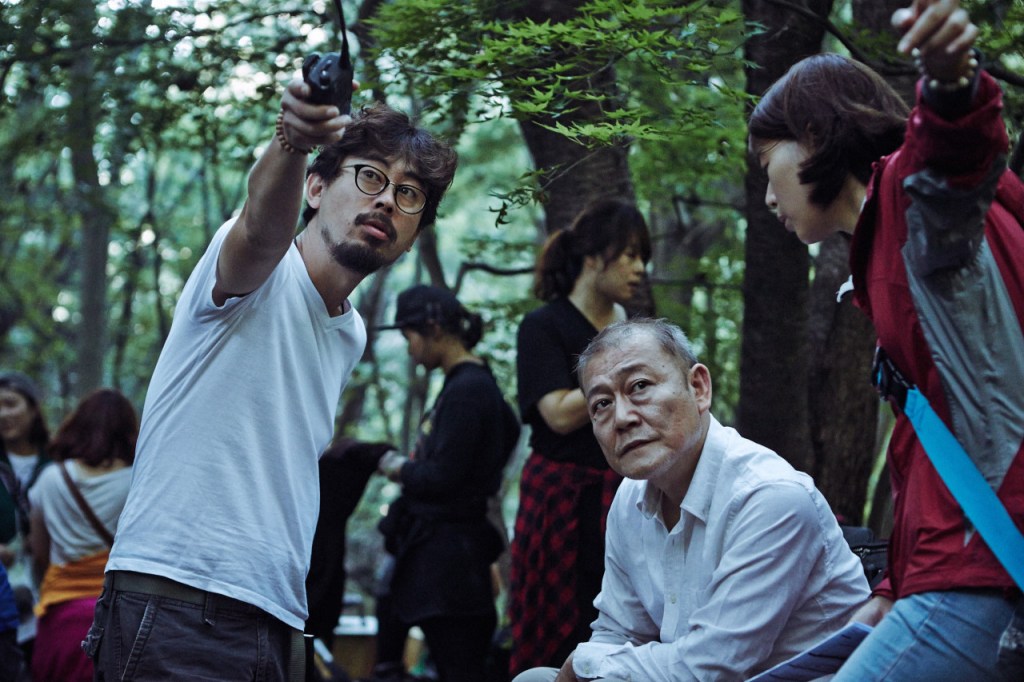
Na Hong-jin’s unique approach to storytelling captivates audiences with its gritty realism and palpable tension. His films highlight the darker side of human nature, blending elements of horror, crime, and drama to create visceral and emotionally charged cinematic experiences.
The filmmaker’s filmography includes several notable works, such as The Chaser, The Yellow Sea, and The Wailing. His films often feature complex and morally ambiguous characters, grappling with themes of guilt, redemption, and the consequences of our actions. Na’s film style is marked by his expert use of tension, pacing, and visual storytelling, creating films that are both gripping and emotionally resonant.
Na Hong-jin’s work has been lauded for its ability to confront difficult and taboo subject matter, shedding light on the complex realities of Korean society and human nature. His films have been celebrated both at home and abroad, earning him a devoted following among critics and audiences alike. As such, Na remains an important and influential voice in contemporary Korean cinema, pushing boundaries and challenging conventions with his powerful and uncompromising films.
In addition to his work as a film director, Na has also been recognized for his contributions to Korean cinema, receiving numerous awards and honors for his work. As such, he remains an important figure in the Korean film industry, and his films continue to inspire and challenge viewers around the world.
5. Yoon Jong-bin
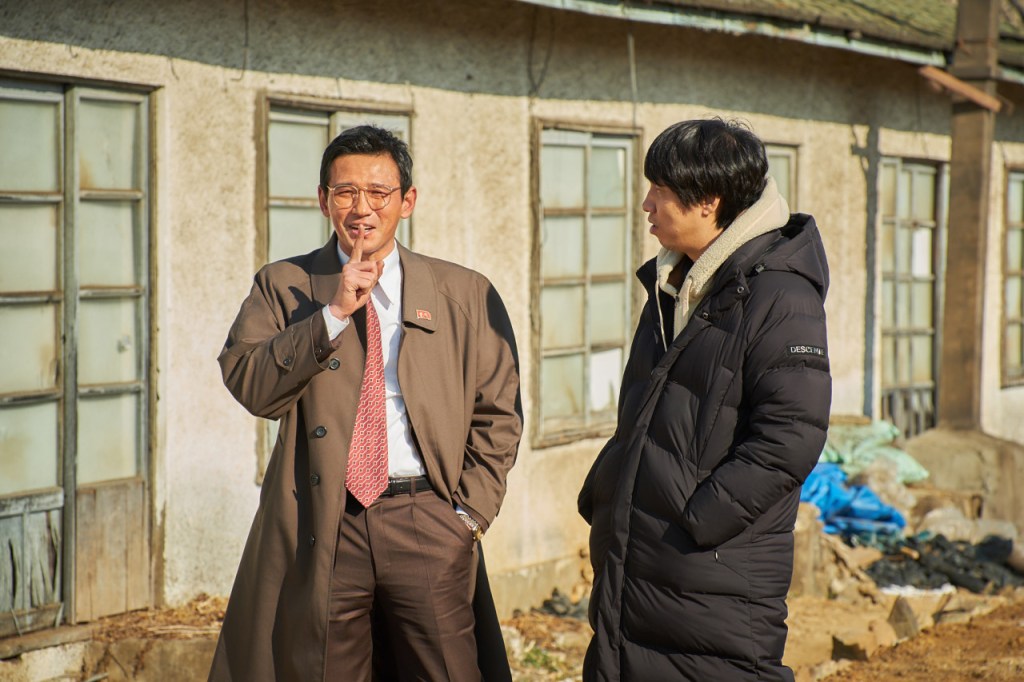
As a director, Yoon Jong-bin has gained a reputation for creating suspenseful and emotionally impactful films that stay with audiences long after the credits roll. His films delve into the darker side of human nature, delving into themes of power, corruption, and the consequences of our actions. Yoon’s filmography includes several notable works, such as The Unforgiven, Nameless Gangster, and Kundo: Age of the Rampant.
Yoon’s mastery of pacing, tension, and character development imbues his films with a unique emotional and intellectual resonance, making them truly unforgettable cinematic experiences. His films recurrently feature complex and morally ambiguous characters, grappling with difficult choices and the weight of their decisions. Yoon’s ability to create nuanced and multi-layered narratives has earned him critical acclaim and a devoted following among audiences.
Yoon’s work has been praised for its ability to illuminate complex social and political issues, shedding light on the realities of Korean society and human nature. His films tackle difficult subject matter with honesty and nuance, challenging viewers to confront uncomfortable truths and question their assumptions. As such, Yoon remains an important and influential voice in contemporary Korean cinema, pushing boundaries and challenging conventions with his powerful and thought-provoking films.
As we come to the end of our exploration of these five hidden gems of Korean cinema, it’s clear that each of these directors has made a significant contribution to the art form. From Na Hong-jin’s gritty and intense storytelling to Kim Jee-woon’s visually stunning and emotionally gripping films, these directors have covered a wide range of genres and themes. Their films challenge audiences to confront complex human emotions and societal issues, making us reflect on our place in the world. With their unique perspectives and styles, these directors continue to inspire and challenge filmmakers around the world.
 Terafty
Leave a comment